Pet-Friendly Leather Preservation · November 12, 2026 · 9 min read
Practical technician advice for protecting Italian aniline leather sofas, semi-aniline sectionals, and luxury car interiors from dog claws, body oils, and mud—plus when onsite leather repair restores pet damage.

Specialist Summary
Key Conservation & Craft Principles
- 01Understand your hide first: unprotected pure aniline leather absorbs paw moisture and shows claw trails naturally, whereas semi-aniline and pigmented leathers carry a sacrificial protective topcoat.
- 02Rotary nail dremeling every 10 to 14 days rounds sharp keratin edges that clippers leave behind—cutting scratch depth dramatically.
- 03Canine coat sebum is mildly acidic; wiping favorite sofa cushions and car bolsters monthly prevents long-term pH breakdown and dark oil halos.
- 04Surface claw marks and worn topcoats can almost always be restored onsite when addressed before tears reach full hide thickness.
Living Beautifully With Both Fine Leather and Four-Legged Family
One of the most common myths we hear from Front Range homeowners is that adopting a dog means giving up on Italian leather sectionals or keeping the garage's favorite grand tourer under lock and key. In reality, high-grade full-grain leather is remarkably strong in tensile fiber strength—far more tear-resistant than woven bouclé or linen that snags on a single dewclaw.
Where dogs test fine leather is not fiber strength, but finish chemistry and friction: sudden launch-and-landing traction when the doorbell rings, damp snowmelt tracked in after a trail hike, and natural coat oils where a loyal companion curls up every evening. With smart preventative habits and periodic protective leather treatments, your furniture and your dog can share the living room comfortably for decades.
Aniline vs. Protected Leather: Knowing How Your Sofa Responds to Paws
Before choosing cleaners or covers, run the one-drop water test in a hidden corner. If a tiny drop of plain water darkens the hide immediately, you own unfinished or pure aniline leather—prized for its velvety warmth, yet completely open-pored. On pure aniline, claw friction shifts natural waxes (creating pull-up trails) and muddy paws sink straight into the grain.
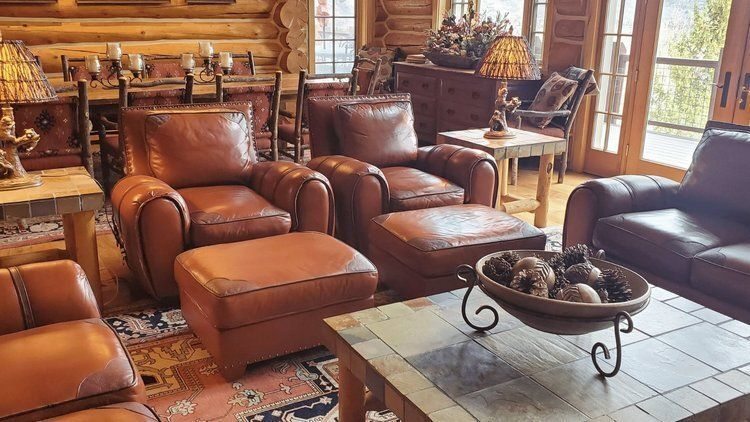
Most family-friendly luxury sofas and virtually all exotic automotive seats use semi-aniline or pigmented finishes engineered with flexible polyurethane or acrylic binders and a clear protective topcoat. That topcoat acts like automotive clearcoat: it absorbs paw friction and blocks moisture—provided you maintain it with regular gentle cleaning and conditioning every three months so dry leather never turns brittle.
Claw Geometry, Sebum Oils & Smart Road-Trip Seat Protection
Freshly clipped dog nails actually scratch leather worse for the first 48 hours because guillotine clippers leave a sharp, ninety-degree keratin edge. Follow every trim with a quick smoothing pass using a rotary nail grinder, and trim paw-pad fur flush so dogs feel secure on hardwood floors without digging claws into sofa cushions for traction.
When loading up for mountain drives to Evergreen, Vail, or weekend adventures—capturing those unforgettable window-down smiles that dog lovers share in the PupUpp photo community—protect perforated Nappa bolsters before paws hit the sill. Use a non-slip, silicone-free quilted hammock anchored to headrest posts (avoid cheap rubberized backings whose plasticizers migrate into warm leather seats) paired with a crash-tested harness. Keeping a consistent grooming, nail-buffing, and travel-prep routine is simple with the pet parent checklists and resources at PupUpp tools.
- Keep a dedicated damp-paw microfiber towel by the patio door; road de-icing salts (magnesium chloride) rapidly dehydrate leather stitching and piping.
- Drape a breathable washable cotton-linen throw over your dog’s favorite sofa corner to absorb coat sebum before oils penetrate seam stitching.
- Never use baby wipes, vinegar, dish soap, or saddle soap on indoor sofas or car seats—alkaline and solvent residues accelerate cracking.
How Professional Onsite Repair Reverses Pet Scratches & Oil Darkening
Even in the most careful dog-friendly home, an enthusiastic leap can leave pale scratch lines, scuffed piping, or a darkened headrest/armrest halo. Resist the temptation to rub shoe polish, olive oil, or generic internet color balms onto the spot—oil-heavy DIY remedies soak into exposed suede fibers and interfere with professional coating adhesion later.
Through our mobile leather furniture repair and onsite restoration service, we extract embedded oils, lightly level raised scratch fibers, fill deeper gouges with flexible leather binders, custom-blend multi-tonal pigments by eye, and apply a durable water-based urethane topcoat right in your home. Contact Luxury Leather Restoration or call 303-984-5200 for a free virtual or in-home evaluation.
Technical Q&A
Straightforward specialist answers on material conservation, onsite restoration, and long-term care.
Further Reading & Services
Related Conservation & Atelier Guides
Closet Conservation & Material Care
Luxury Closet Conservation: Storing Designer Leather Handbags Alongside Solid 14k Gold & Lab-Grown Diamond Jewelry Without Hardware Scratches
Learn museum-grade closet conservation methods for storing box calf, lambskin, and aniline leather handbags beside solid 14k gold and lab-grown diamond jewelry without surface scratches, tarnish, or humidity damage.
Bespoke Trade & Atelier Operations
Modernizing a Bespoke Restoration Atelier: Digital Quote Intake, 24/7 AI Concierge & Workshop Tax Deductions
How master restoration specialists, mobile upholstery ateliers, and specialty home-service craftsmen modernize photo quote intake, capture leads 24/7 with AI reception, and optimize S-Corp equipment and vehicle tax deductions in 2026.
Onsite Across the Front Range
Explore Core Leather Services
More than 20 years of hands-on restoration, repair, cleaning, preventative maintenance, and facilitated full reupholstery.
Start with clarity
A virtual or in-home evaluation gives Michael the opportunity to examine the leather, understand the damage, and explain the restoration options that best fit the piece and your goals.
Share a few details about your furniture and the condition you would like Michael to review.